A comprehensive research project developing an evidence-based framework for reporting and supporting survivors of gender-based violence in Nigerian universities.
This funded British Council Going Global Gender Equality project is a collaboration between the University of Edinburgh, UK (Lead Institution) and Lagos State University, Nigeria (Partner Institution) — bringing together two institutions in different global contexts to address a critical issue in higher education.
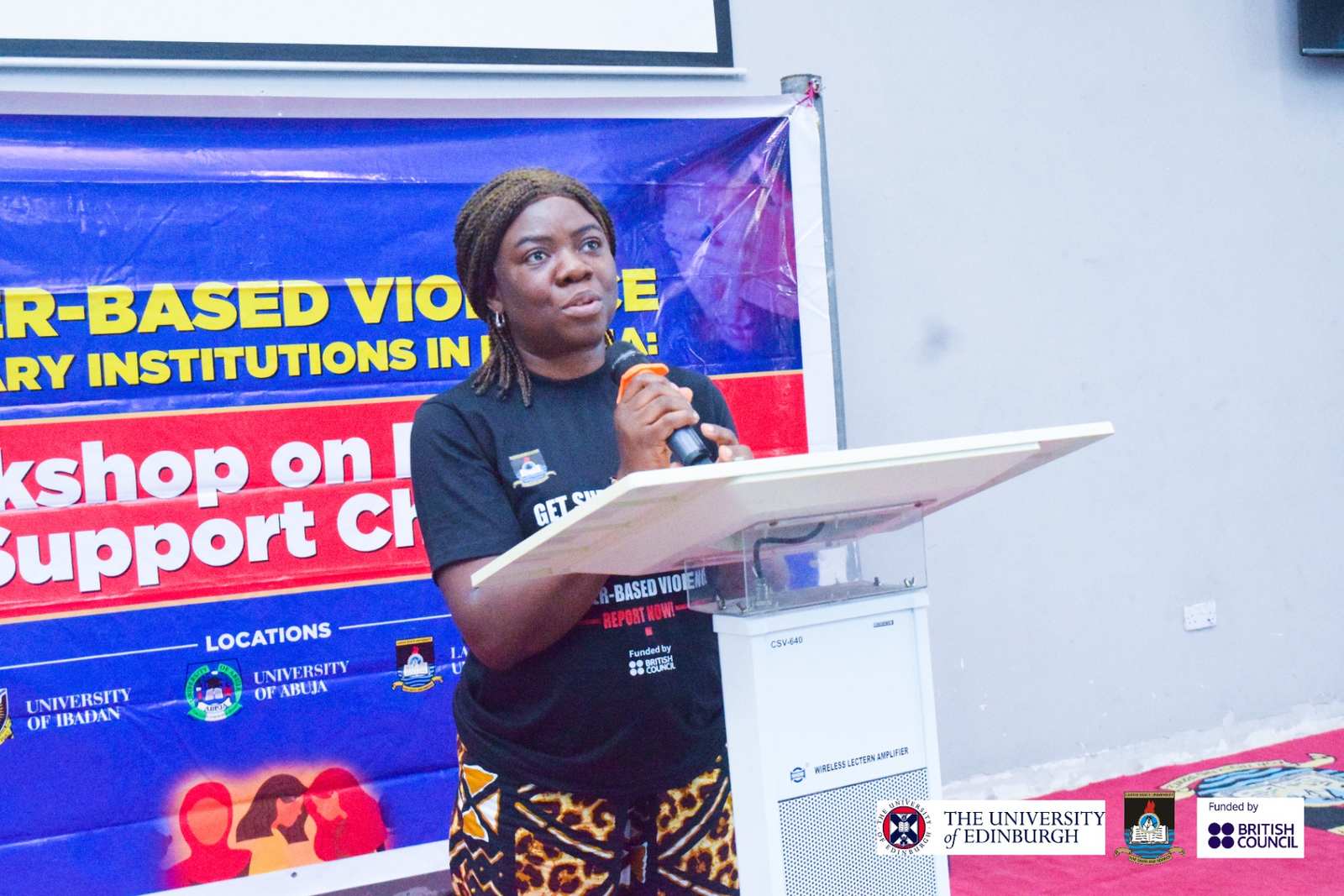
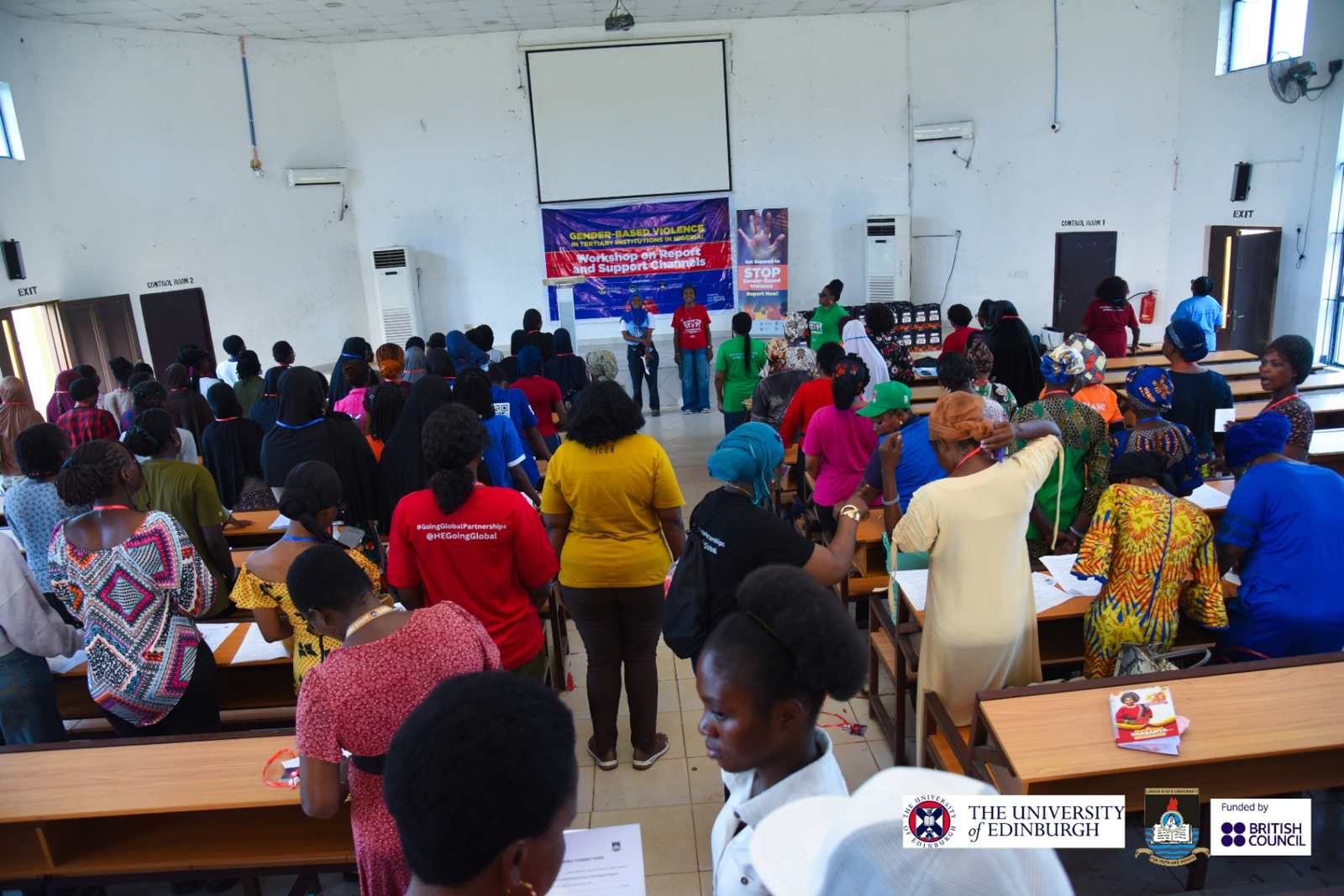
Examination of publicly available documents on selected Nigerian university websites revealed disparity in attention and focus on Gender-Based Violence. This fed into the development of survey questions administered to 949 female staff and students at workshops delivered across five university campuses in Nigeria.
This British Council Going Global Gender Equality project brings together institutions in two different global contexts to collaboratively examine a critical issue around GBV in higher education. The main aim is to develop a robust framework for GBV reporting and support channels in Nigerian tertiary institutions that can be translated into institutional policy and practice.
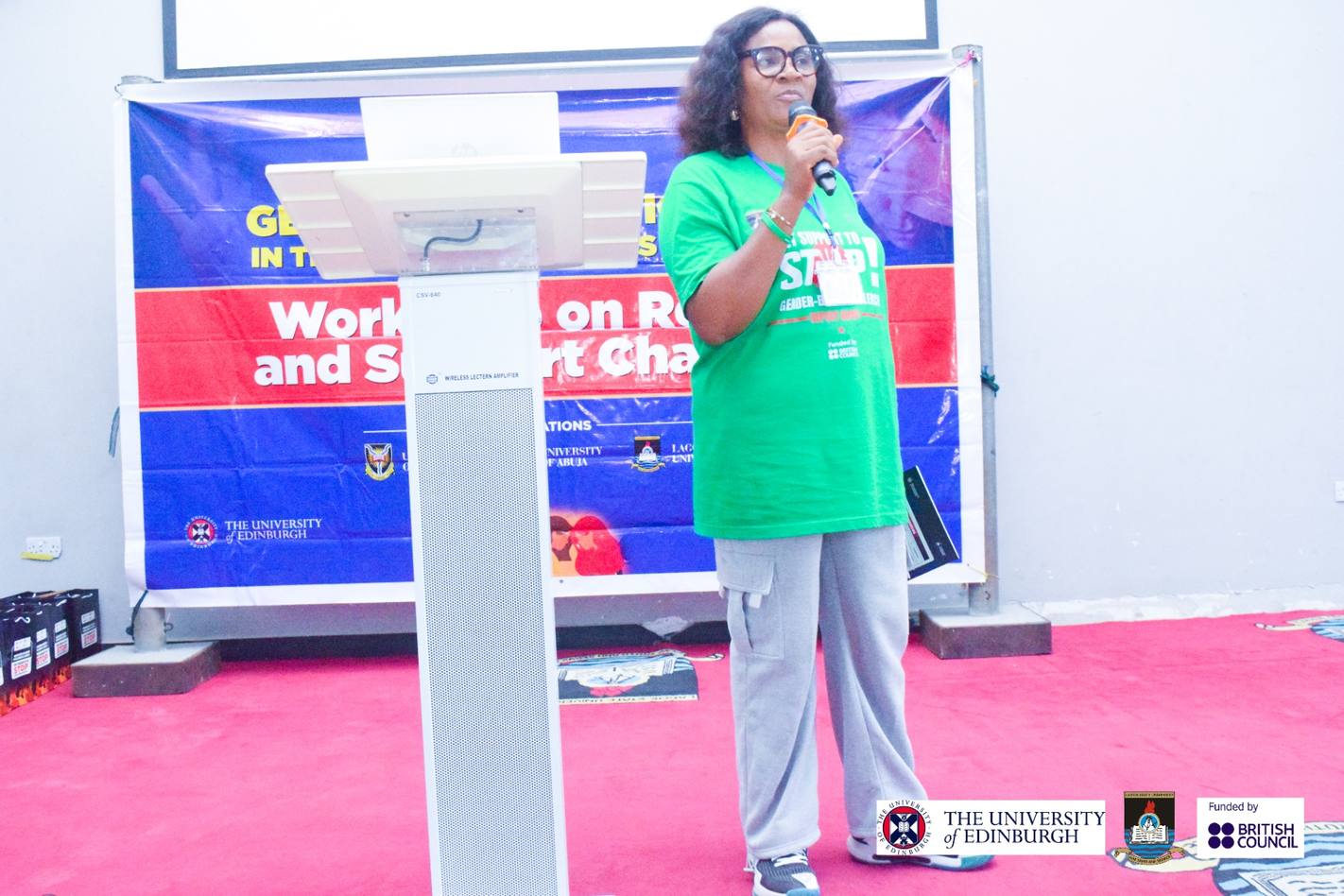
The anonymous questionnaires enabled participants to share their awareness about GBV policy, report and support channels on their campuses. The participatory workshops facilitated honest dialogue on GBV experiences, reporting barriers, and institutional responsibilities. The findings underpin the GBV Policy, Report and Support (GBVPRS) Framework — a practical, evidence-grounded resource that universities and policymakers can adopt to strengthen GBV infrastructure across Nigerian tertiary institutions.
This British Council supported UK–Nigeria international partnership, underpinned by centrality, ensures the active involvement, recognision, and contribution of expertise from staff at the University of Edinburgh and Lagos State University. This collaborative project ensured that participants combine expertise in educational research, local knowledge, and lived experience to facilitate access to the target population — addressing a global issue with potential for future collaborations.
The research received full institutional ethics approval. Participants' questionnaire data are fully anonymised, and confidentiality is maintained throughout the project. Informed consent was sought and received from all survey respondents. All photography was taken with voluntary consent from workshop participants. University identities are protected throughout all published materials.
A comprehensive approach to addressing gaps in gender-based violence policy, reporting and support in tertiary institutions.
Strong leadership, funding, and clear structure drive effective decisions and service delivery.
Consistent, well-designed awareness and training campaigns should be delivered at defined intervals.
Accessible, inclusive reporting and support systems across multiple channels ensure safe, empathetic, and effective service delivery.
Standard level of service provision should ensure no victim blaming, and full confidential service.
Clear response times, tracked cases, and quality assurance ensure transparent and reliable service delivery.
Key metrics track reports, response speed, referral success, user satisfaction, and periodic review.
Meet the dedicated researchers leading this important work.

Principal Investigator
University of Edinburgh, UK
As education leader in higher education, including Director of Equality, Diversity and Inclusion (2022 - 2025) at the Moray House School of Education and Sport, at the University of Edinburgh, and Chair of the Society for Research into Higher Education EDI Working Group, Dr. Fakunle leads a range of inclusion initiatives at institutional, national, and international HE organisations. She contributed to the project's development, research design, and cross-institutional partnership strategy, bringing extensive expertise in gender equality, inclusivity in internationalisation, and higher education policy.

Co-Investigator
Lagos State University, Nigeria
Acting Director of the Centre for Response and Prevention of Sexual and Gender-Based Violence at Lagos State University. Prof. Ofem is an Education Economist, Professor, and Educational Manager whose work borders on Human Capital Development, Career Mentoring, Gender Equity, and Youth Empowerment. Her research and practice focus specifically on Cost Benefit Analysis of Higher education, Intimate Partner Violence and Abuse (IPVA), and Sexual & Gender-Based Violence (SGBV) response within higher education. She leads the Nigeria-based field operations and international collaborations for Lagos State University Centre for Response and Prevention of Sexual and Gender-Based Violence (CRPSGBV); coordinates seminar /workshops, and applies technology & data to drive research, policy and measurable impact.
Research across 949 participants at five Nigerian university campuses. Select any card to read the full finding or download the resource.
Awareness of GBV policy varies by up to 23 percentage points across the five campuses studied.
The most frequently cited themes from open-ended responses about why reporting channels go unused.
Counselling leads awareness. Other services critically underknown.
Staff consistently outpace students — a 16.5 average gap across all sites.
Selected responses from survey participants.
"I didn't even know it existed."
Student — on GBV reporting channels
"I didn't think it was harassment."
Student — explaining non-usage
"More campaigns. More improvement on reporting channels."
Respondent — on institutional improvement
The GBV Policy, Report & Support (GBVPRS) Framework translates into practical institutional recommendations.
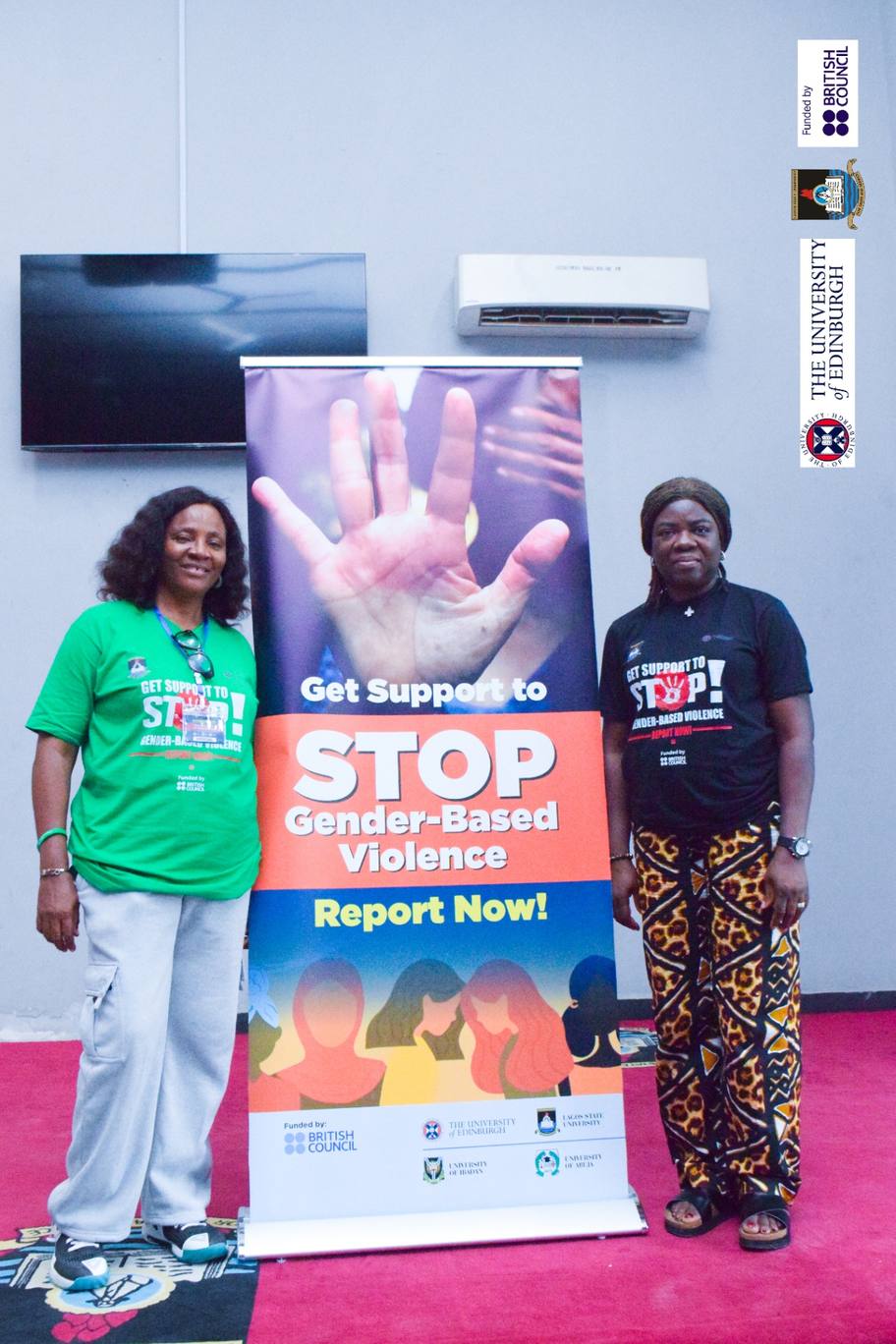
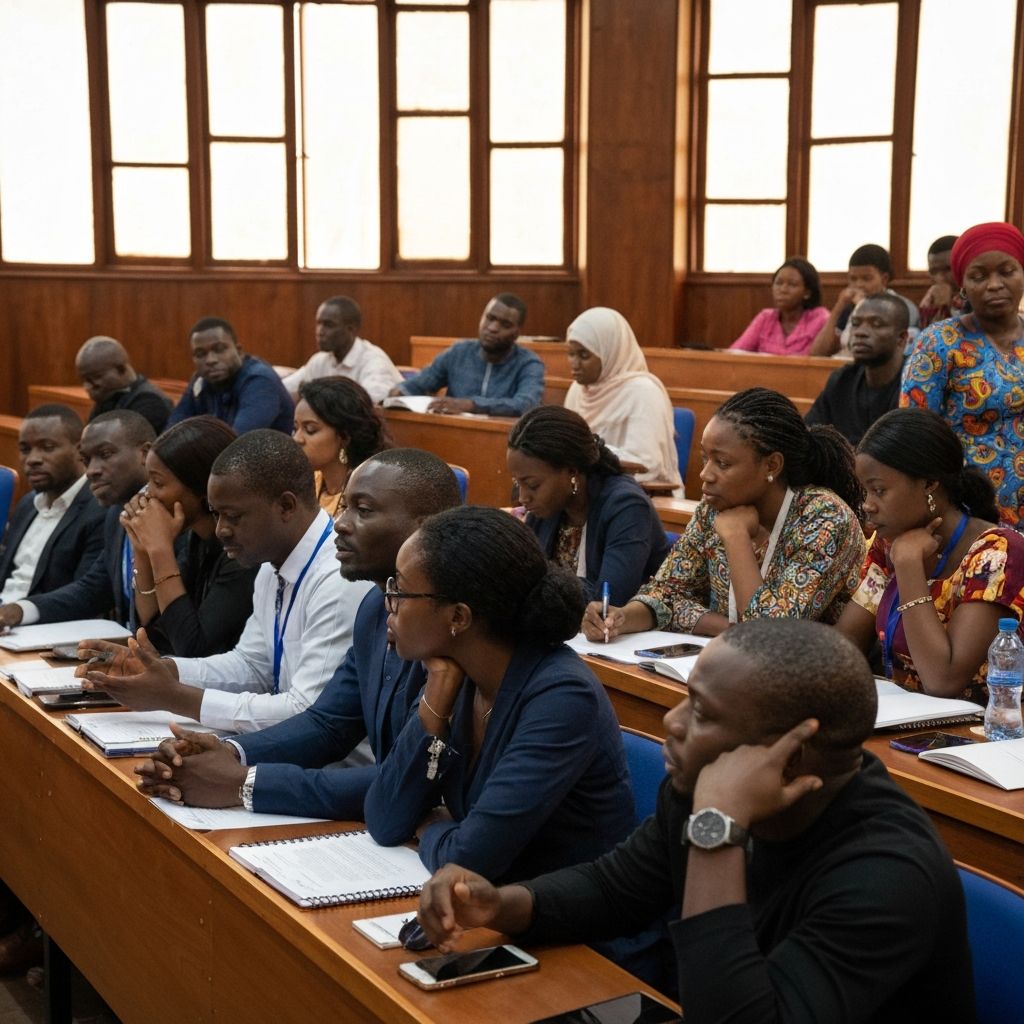
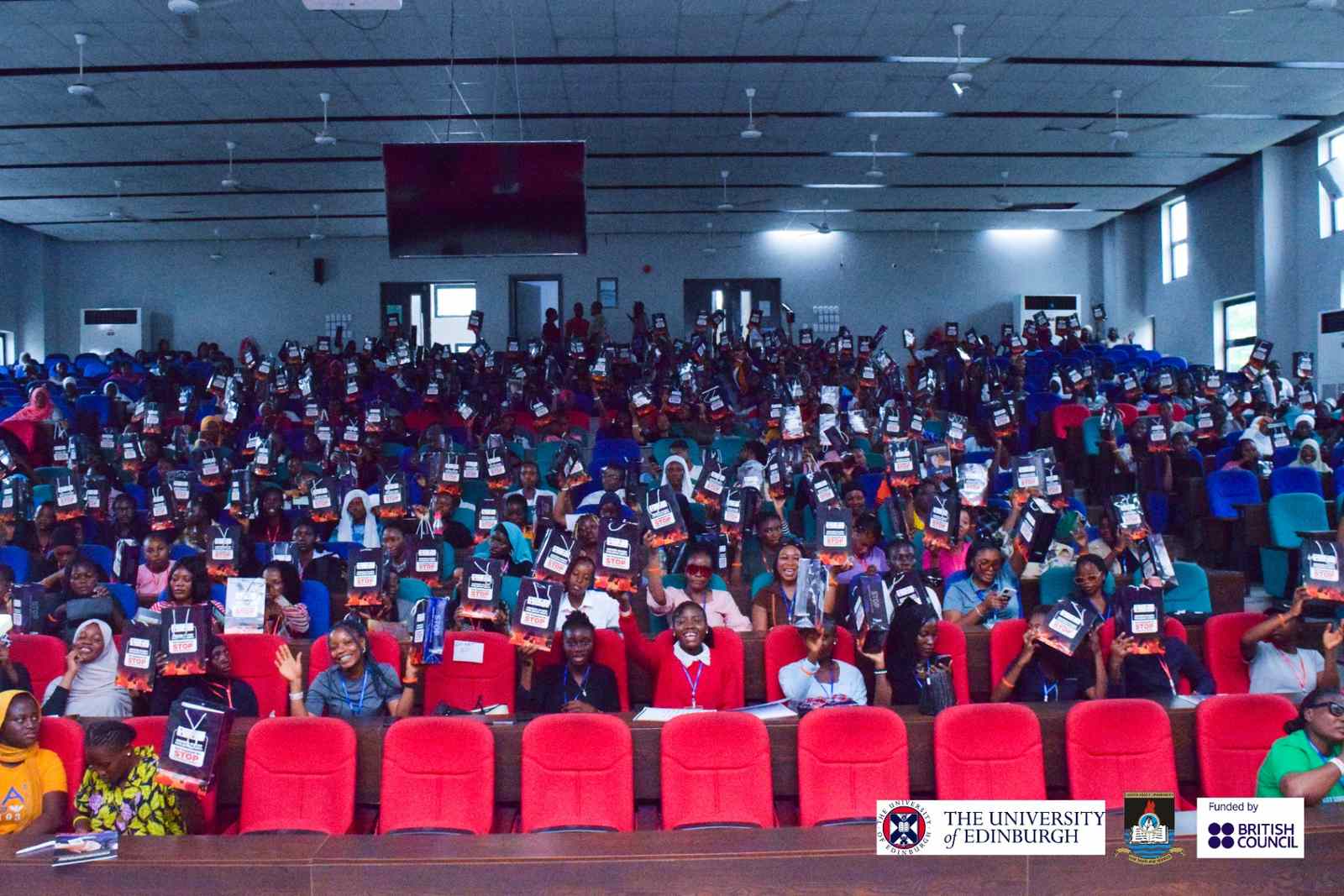
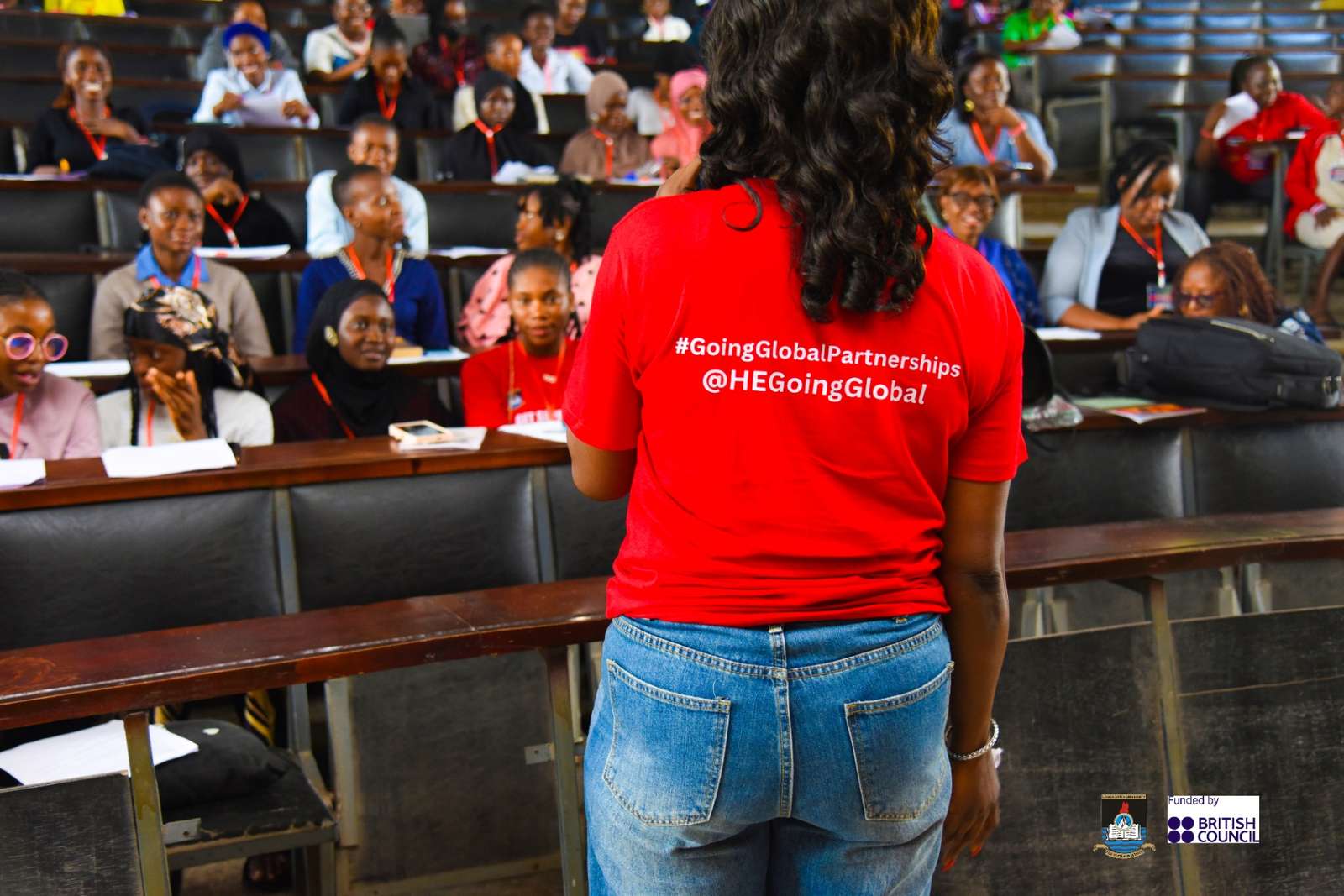
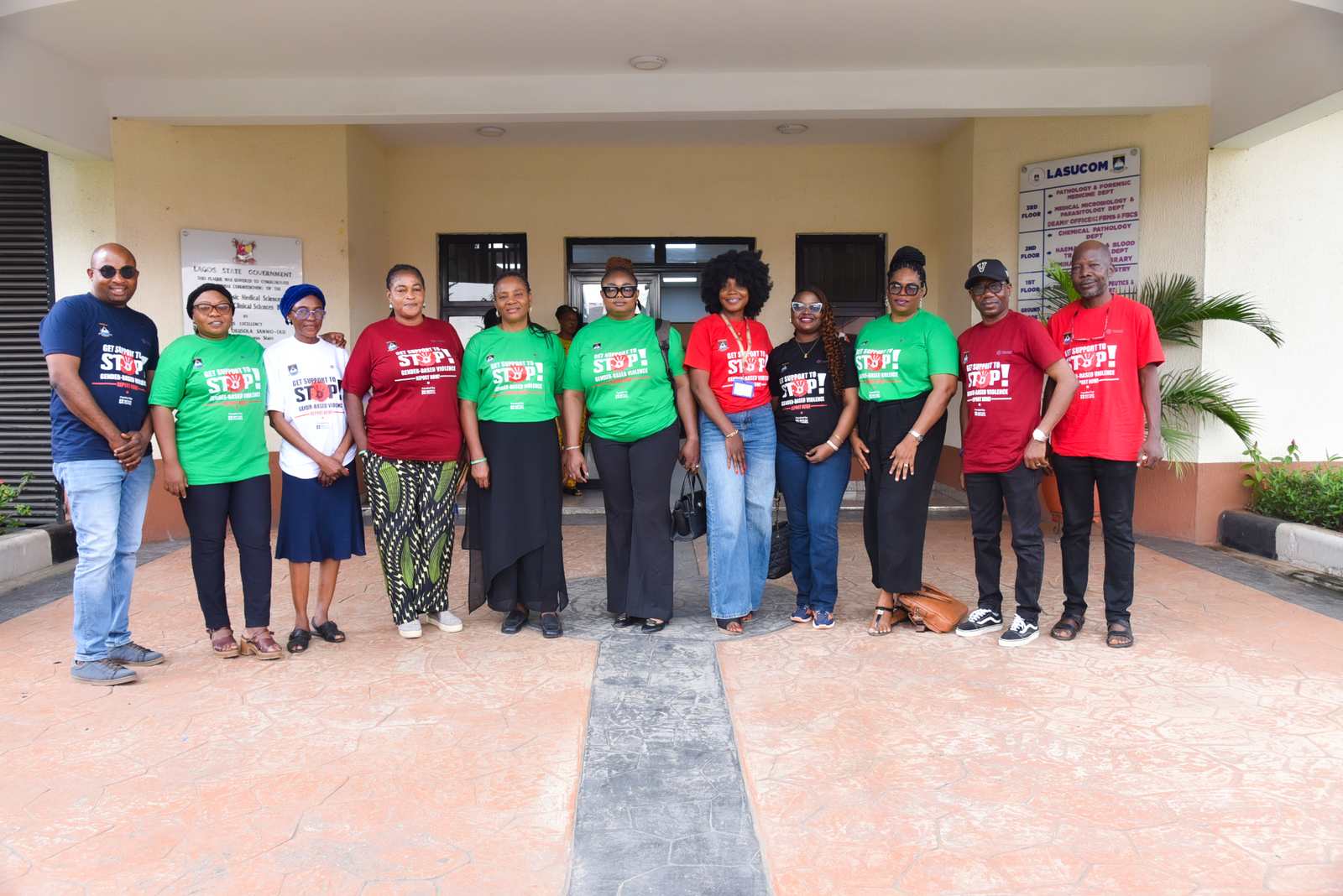
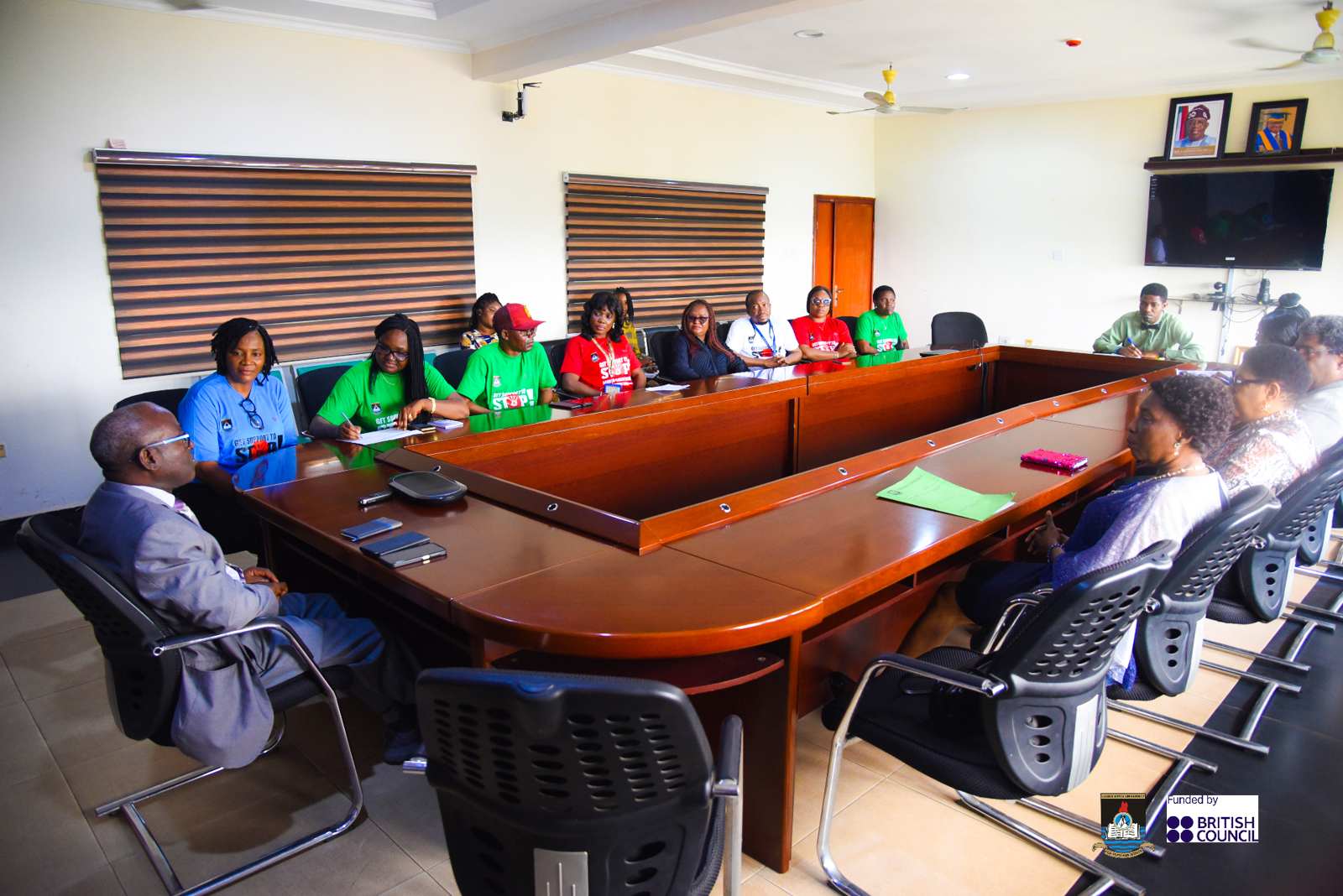
Fieldwork and seminar workshop photography from universities across Nigeria. No participant-identifying metadata is included.
Key milestones in our ongoing research project.
Official launch of the British Council Going Global Gender Equality Partnership project with partner institutions.
Development of research methodology, survey instruments, and ethical approval processes.
Launch of surveys, workshop and focus group discussions across all five university campuses.
Initial data analysis and identification of key themes and patterns.
Development of the GBV Policy, Report and Support (GBVPRS) Framework based on research findings.
Dissemination of findings and recommendations.
Going Global Gender Equality Partnerships Programme
Supported by funding from the British Council’s Going Global Partnerships programme. Going Global Partnerships supports universities, colleges and wider education stakeholders around the world to work together towards stronger, equitable, inclusive, more internationally connected higher education, science and TVET.
Collaborating for change across Nigerian higher education.
University of Edinburgh
Lagos State University
Connect with us to learn more about our research findings and how you can contribute to creating safer learning environments.